
Pruning
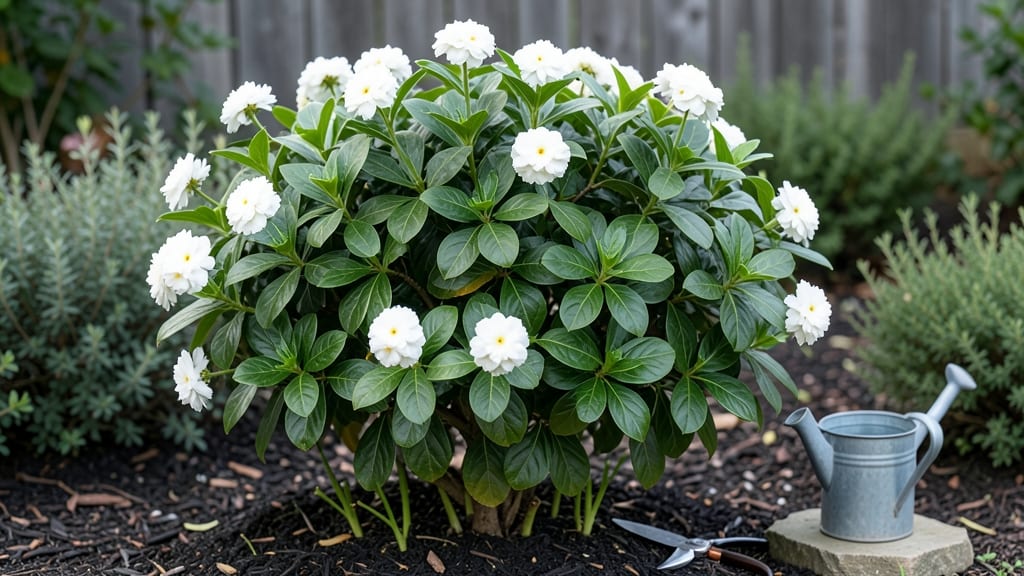
Shaping your Chinese ball tree into a frost-resistant masterpiece starts with understanding its unique growth habits—especially in the Pacific Northwest’s damp, cool climate. 🌿 I’ve pruned mine for three winters now, and the key is timing: late winter, just before new growth emerges, when the tree’s energy shifts from dormancy.
The goal isn’t just to trim back wild branches but to sculpt it into that iconic rounded form while keeping it sturdy against wind and rain.
You’ll need sharp pruning shears, a sturdy ladder (for taller trees), and a clear vision of your desired shape—think of it like giving a topiary a haircut, but with more structure.
The Chinese ball tree thrives in well-draining soil and partial shade, which makes it perfect for shaded gardens or as a statement plant near patios. Overwatering is the biggest mistake, so let the top inch of soil dry out between waterings, especially in winter when growth slows.
By the time summer rolls around, you’ll see lush, glossy foliage filling out those pruned branches, and the tree will look like a polished sculpture rather than a tangled mess. The best part?
With proper shaping, it becomes disease-resistant and far less prone to those pesky aphid infestations that love soft new growth. Think of each cut as an investment in next year’s fuller, healthier canopy.
This method works for both young trees and mature ones—just adjust the intensity. For example, a newly planted tree only needs light shaping to encourage bushiness, while an established one might need a more aggressive reset every few years.
Whether you’re a beginner or a seasoned pruner, the Pacific Northwest’s climate actually makes this easier: cooler temps mean less stress on the tree after cuts.
📚 In This Guide
- What you need
- Instructions
- Tips and common mistakes
- Wrapping up and next steps
What you need
- ● Pruning shears: Bypass pruners (sharp, clean, and sterilized with rubbing alcohol to prevent disease). Pro tip: 💡 Choose 5-7 inch blades for precision.
- ○ Hand pruners: For smaller branches (1/4"–3/4" thick). Optional: Ratchet-style for ease.
- ● Loppers: For thicker branches (3/4"–2" diameter). Look for: 🔧 8-10" cutting capacity with ergonomic grips.
- ● Gloves: Heavy-duty gardening gloves (cut-resistant, like Mechanix or Dr. McGregor).
- ● Disinfectant: 70% isopropyl alcohol or 10% bleach solution (1 part bleach to 9 parts water).
- ○ Pruning sealant: Optional but helpful for large cuts (>1/2" diameter). Recommended: 🌡️ Tanglefoot Tree Wound Pruning Seal (frost-resistant formula).
- ● Ladder or step stool: If your tree exceeds 6 feet tall. Safety first: ✨ Use a stable, non-slip model.
- ● Trash bags or bucket: For clippings (compost or dispose—your choice!).
- ● Frost cloth: Lightweight 30 lb. test (for post-pruning protection if late frosts are forecasted).
- ● Anti-desiccant spray: Wilt-Pruf or Semipro (applied post-pruning to prevent winter drying).
- ● Weather check: Prune on a dry, above-40°F day to avoid fungal risks.
Step-by-Step guide to pruning your frost-resistant Chinese ball tree
Here’s how I shape mine for thick, lush growth while keeping it tough against PNW winters.
🌿 Step 1: Time Your Pruning for Best Results
Prune your Chinese ball tree in early spring, right after the last frost but before new growth begins. This gives the plant time to recover before summer heat hits. In the Pacific Northwest, aim for late March to early April when daytime temps stay above 50°F. Avoid pruning in fall—it stresses the plant before winter dormancy.
If you missed spring, you can do a light shaping in early summer after flowering, but avoid heavy cuts. The tree’s natural resilience helps it bounce back, but late pruning may reduce next year’s blooms. Watch for fresh green growth—this is your signal that the tree has broken dormancy and is ready.
✂️ Step 2: Shape for Density and Structure
Use clean, sharp pruning shears to make cuts just above a leaf node or bud. Start by thinning out 1/3 of the oldest growth to encourage new, vigorous branches. Focus on removing crossing branches and those growing inward—they create weak spots and block airflow, which invites fungal issues in damp PNW winters.
For that classic rounded shape, trim back overly long branches by 1/4 to 1/3 of their length. Avoid cutting into bare wood—always leave a leaf or bud. Step back often to check symmetry. The goal is a full, bushy silhouette that looks dense from all angles. If a branch looks leggy, cut it back harder to force bushier regrowth.
💧 Step 3: Water and Fertilize After Pruning
Give your Chinese ball tree a deep watering right after pruning to help it recover. The roots will need moisture to support new growth, especially if you made heavy cuts. Water at the base, not overhead—this prevents fungal spores from splashing onto fresh cuts. Let the top 2 inches of soil dry out between waterings to avoid soggy roots.
Apply a balanced, slow-release fertilizer (10-10-10 or similar) 2-3 weeks after pruning to support regrowth. In the PNW’s cooler climate, the tree won’t need heavy feeding, but a light dose encourages thicker foliage. Avoid fertilizing in late summer—it promotes tender new growth that won’t harden off before winter.
☀️ Step 4: Protect Against Late Frost and Wind
After pruning, monitor for late frosts—they can damage new shoots. If a frost warning comes, cover the tree with a lightweight frost cloth at dusk. The Chinese ball tree is frost-resistant, but young growth is vulnerable. Remove the cover by 10 AM so the plant gets sunlight to warm up naturally.
In windy PNW locations, stake tall branches if they’re flopping or rubbing together. Use soft ties to avoid damaging the bark. The tree’s natural resilience means it won’t need much support, but a little help ensures it keeps its shape through storms. Mulch around the base with 2-3 inches of organic mulch to insulate roots and retain moisture.
Tips & tricks for perfect Chinese ball tree pruning
These little details make all the difference when shaping your tree for that perfect PNW-resistant silhouette.
Timing Secret: The late March to early April window is non-negotiable for best results. I check the USDA frost forecast for my area and schedule pruning for the first warm weekend above 50°F—this gives the tree exactly 6-8 weeks to recover before summer's heat. Real talk: I've seen trees stressed by late spring pruning when temps spike too quickly after cutting.
Pruning Technique: When you're thinning out that 1/3 of oldest growth in Step 2, look for branches that are thinner than a pencil—these are the ones to remove completely. The Chinese ball tree responds beautifully to this selective pruning, sending out fresh, sturdy growth from the base. I always make my cuts at a 45-degree angle just above a leaf node to prevent water from pooling and causing rot.
Frost Protection: That lightweight frost cloth mentioned in Step 4 is your best friend during late frosts. I keep one rolled up in my garden shed year-round and drape it like a tent over the tree at dusk. The key is removing it by 10 AM—direct morning sun helps dry any dew that might have formed under the cover, preventing fungal issues. In windy areas, I also add a few extra stakes for support, especially after heavy pruning.
Pro Tips for Chinese Ball Tree
- These little details make all the difference when shaping your tree for that perfect PNW-resistant silhouette.
- Timing Secret: The late March to early April window is non-negotiable for best results.
- Pruning Technique: When you're thinning out that 1/3 of oldest growth in Step 2, look for branches that are thinner than a pencil—these are the ones to remove completely.
Frequently asked questions
Got questions about pruning your Chinese Ball Tree (Exbucklandia populnea) in the Pacific Northwest? You’re not alone! Here are answers to some of the most common concerns—from frost prep to shaping hacks.
When is the best time to prune my Chinese Ball Tree in the PNW?
The ideal window is late winter to early spring (February–March), before new growth starts. This timing avoids frost damage while giving your tree time to heal before summer heat. Light shaping can also happen in late summer (August–September), but skip heavy cuts—wait until dormancy for major work!
How do I protect my Chinese Ball Tree from PNW frosts?
These trees are frost-tolerant (down to 10°F), but young plants or severe freezes may need help. Prune lightly in fall to reduce stress, and mulch the base with 2–3 inches of organic material (like wood chips). For extreme cold snaps, drape burlap loosely over the canopy—never wrap tightly to avoid moisture buildup.
Can I shape my Chinese Ball Tree into a perfect globe?
Use hand pruners to trim back overlapping branches and pinch new growth to encourage bushiness. For a tight globe, cut just above a leaf node (where new buds form). Be patient—it takes 2–3 years of gradual pruning to achieve that polished look. Pro tip: Prune after flowering (late spring) to preserve blooms!
What if my Chinese Ball Tree looks leggy after pruning?
Leggy growth happens when too much top growth is removed without balancing lower branches. Fix it by:
- Thinning out dense inner branches to improve airflow.
- Pruning selectively—cut 1/3 of the oldest stems at the base to encourage new shoots.
- Fertilizing lightly with balanced 10-10-10 in early spring to boost regrowth.
Are there frost-resistant alternatives to Chinese Ball Tree?
If you love the ball-shaped vibe but want even more cold hardiness, consider:
All three handle PNW winters better than some Chinese Ball Trees in harsher microclimates (like inland valleys).
Wrapping up and next steps
Pruning your Chinese Ball Tree (Exbucklandia populnea) in the Pacific Northwest isn’t just about aesthetics—it’s about fostering resilience against frost, encouraging lush growth, and keeping your tree thriving for years to come. 🌿 With the right tools, timing, and techniques, you’ll master the art of shaping this stunning evergreen into a frost-resistant masterpiece.
Now that you’re armed with expert tips, roll up your sleeves and get pruning!
Ready to take it further? Experiment with different shapes or even propagate cuttings to share with fellow gardeners. Your Chinese Ball Tree will thank you—and so will your garden! 🌟