
Planting
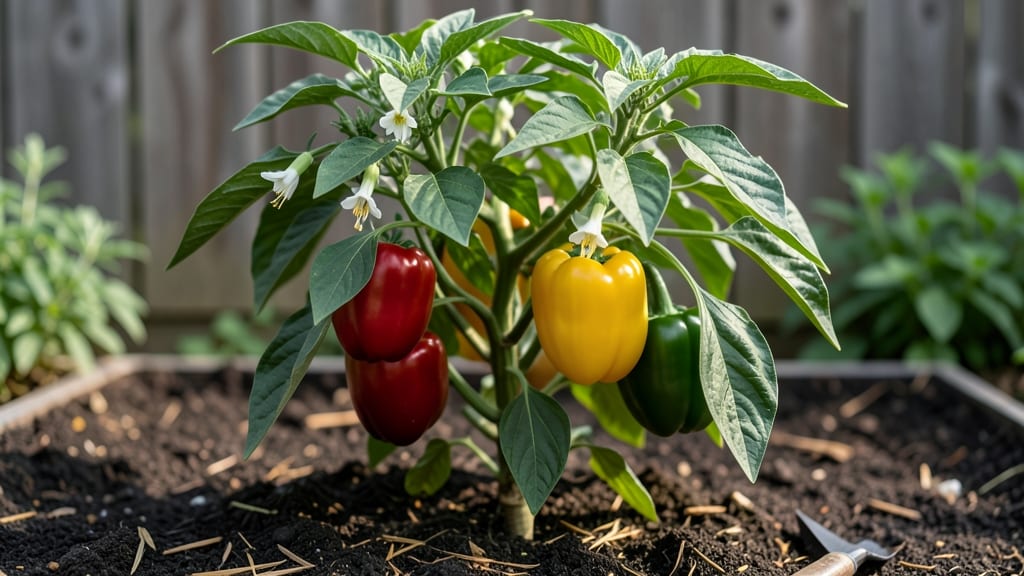
Growing a black pepper tree plant from seed is one of the most rewarding tropical adventures you can take in your garden or patio. 🌿 I’ve watched mine climb from a tiny seedling to a lush, spice-producing bush—something I never thought possible in my zone 8 backyard.
The key isn’t just patience; it’s replicating the humid, warm conditions this tropical native thrives in, even if you’re miles from the jungle.
You’ll need a few simple supplies: a 5-7 gallon container with drainage holes, well-draining potting mix (think peat-heavy or coconut coir), and a humidifier or pebble tray to keep moisture levels high. Black pepper trees love warmth—60-80°F is ideal—and they’ll bolt if temperatures dip below 50°F.
Start seeds indoors 8-12 weeks before your last frost, and expect them to germinate in 2-4 weeks if kept consistently moist.
By year two, you’ll be harvesting tiny green peppercorns that dry into the spice we all know. The plants grow 6-10 feet tall indoors but can be pruned to stay compact. Pinch back new growth in early spring to encourage bushier, more productive foliage.
The real magic happens when you taste your first homegrown peppercorns—nothing compares to that earthy, complex flavor straight from your own tree.
This method works for both container growers and gardeners with space. In cooler climates, overwinter your tree indoors near a sunny window.
Even if you don’t have a greenhouse, a well-cared-for black pepper tree can produce harvests for decades—just ask the gardeners in Hawaii who’ve been growing them for generations.
📚 In This Guide
- What you need
- Instructions
- Tips and common mistakes
- Wrapping up and next steps
What you need
- ● Black pepper plant: 1-2 young Piper nigrum plants (3-6 months old, from a nursery or online supplier).
- ● OR 1-2 mature peppercorns (for propagation—see tips below!).
- ● Soil: 3-5 gallons of well-draining, acidic potting mix (pH 5.5-6.5). Mix with 30% perlite or coconut coir for aeration.
- ● For garden planting: Amend garden soil with compost and peat moss (1:1 ratio).
- ● Container (if applicable): 1 10-15 gallon pot with drainage holes (for young plants).
- ● 1 20+ gallon container (for mature plants—black pepper trees can grow 10-20 ft tall!).
- ● Basic tools: 1 pair of pruning shears (sterilized with rubbing alcohol).
- ● 1 garden trowel or small shovel.
- ● 1 spray bottle (for misting seedlings).
- ○ Optional (but helpful): 1 humidity dome or plastic wrap (to retain moisture for seedlings).
- ● 1 moisture meter (to monitor soil hydration).
- ● 1 trellis or stake (for supporting vining growth in containers).
- ● 1 pH testing kit (to check soil acidity).
- ● Climate: Warm, humid conditions (USDA Zones 10-12). Indoors or greenhouses work for cooler climates!
- ● Light: Bright, indirect sunlight (6+ hours daily). Avoid harsh midday sun.
- ● Temperature: Keep above 60°F (15°C)—pepper trees hate cold drafts! 🌡️
How to grow a black pepper tree plant successfully
Here's the foolproof approach I've used to keep my black pepper tree thriving indoors and outdoors.
🌱 Step 1: Choose the Right Location and Container
Black pepper trees need warmth and humidity year-round. If growing indoors, place it near a south-facing window where it receives 6-8 hours of bright, indirect light daily. Direct sunlight can scorch the delicate leaves, so a sheer curtain helps diffuse harsh rays.
For containers, select a 12-inch diameter pot with drainage holes—terracotta works best because it breathes and helps regulate moisture. If planting in the ground, choose a spot with partial shade and well-draining soil. The tree's native tropical habitat means it won't tolerate cold drafts or temperatures below 55°F.
Here's the thing—black pepper trees are slow growers, so avoid overpotting. A pot that's too large will keep the soil damp for too long, leading to root rot. If you're starting with a young plant, you can upgrade to a 16-inch pot after 12-18 months of growth.
☀️ Step 2: Provide Consistent Light and Humidity
Light is critical for black pepper trees. If your home lacks natural light, supplement with a full-spectrum grow light positioned 6-12 inches above the plant for 12-14 hours daily. You'll notice the leaves turning pale or stretching toward the light? That's a sign it needs more intensity.
Humidity is just as important. These trees thrive in 60-80% humidity, which is tough to maintain indoors during winter. Place the pot on a pebble tray filled with water or use a humidifier nearby. Mist the leaves 2-3 times weekly, but avoid wetting the foliage if your home is naturally humid—over-misting can promote fungal issues.
I know it seems weird, but black pepper trees actually appreciate a warm shower once a month. Place the pot in the shower, turn on warm (not hot) water, and let it rain over the plant for 5-10 minutes. This mimics their tropical environment and washes away dust that clogs pores.
💧 Step 3: Water and Fertilize for Optimal Growth
Watering is where most people go wrong. Black pepper trees prefer consistently moist but never soggy soil. Stick your finger 1 inch into the soil—if it feels dry, it's time to water. Overwatering is the fastest way to kill this plant, so always check before adding more moisture.
Use room-temperature water and water until it drains freely from the bottom. Empty the saucer 15 minutes later to prevent the roots from sitting in water. During the growing season (spring and summer), you'll water every 5-7 days, but reduce to every 10-14 days in winter when growth slows.
Fertilize monthly during spring and summer with a balanced liquid fertilizer (10-10-10) diluted to half strength. Skip fertilizing in fall and winter—the tree enters a dormant phase and doesn't need extra nutrients. You'll see new leaves emerging within 4-6 weeks of consistent feeding, signaling the fertilizer is working.
✂️ Step 4: Prune and Train for Shape and Productivity
Pruning encourages bushier growth and better air circulation, which reduces disease risk. Use clean, sharp pruning shears to trim back leggy stems in early spring before new growth begins. Cut just above a leaf node at a 45-degree angle to promote faster healing.
If you're growing this for culinary use, you'll want to train the plant to produce more peppercorns. Pinch back the tips of new growth when the plant is 6-12 inches tall to encourage branching. This is the moment that matters: the more branches you create early on, the more peppercorns you'll harvest later.
Don't skip this (I learned the hard way). If you let the tree grow too tall without pruning, it becomes top-heavy and prone to falling over. Aim for a rounded, bushy shape with multiple stems. You can also propagate cuttings from healthy stems—just dip them in rooting hormone and place them in moist potting mix.
🪴 Step 5: Overwintering and Long-Term Care
Black pepper trees are sensitive to cold, so if you're in a region with frost, bring potted plants indoors before temperatures drop below 55°F. Choose a spot away from drafts, heat vents, or cold windows. If the tree drops leaves in winter, don't panic—it's normal and part of its dormant cycle.
Real talk: these trees can live for decades with proper care, but they grow slowly. Be patient—it takes 3-5 years before a young plant produces significant peppercorns. Once established, harvest peppers when they turn red or black, depending on your preference. Twist them gently to avoid damaging the plant.
Every 2-3 years, repot the tree into a container 2 inches larger in diameter to accommodate its growing root system. Refresh the top 2 inches of soil with fresh potting mix to replenish nutrients. This keeps the tree healthy and prevents nutrient deficiencies that show up as yellowing leaves.
Tips & tricks for perfect black pepper tree plant care
A few simple adjustments can transform your black pepper tree from struggling to thriving—here's what I've learned from years of growing mine successfully.
Lighting Strategy: In Step 2, those 6-8 hours of bright indirect light are non-negotiable, but here's the trick: rotate your plant every 2-3 weeks so all sides get even exposure. I noticed my tree developing uneven growth until I started this practice—now it grows full and balanced. For indoor growers, position your full-spectrum light slightly closer (6 inches) if you notice pale leaves developing, but never closer than 6 inches to avoid heat stress.
Humidity Hack: The 60-80% humidity range can be challenging during winter heating seasons. I've found that grouping your pepper tree with other houseplants creates a microclimate that maintains humidity naturally. Place your terracotta pot on a bed of damp pebbles (not sitting in water) and cover with a humidity dome for the first few weeks after repotting—this mimics the tropical environment they crave during their most vulnerable growth phase.
Watering Wisdom: That 1-inch soil check in Step 3 is crucial, but timing matters too. Water in the morning so excess moisture evaporates during the day rather than sitting in the saucer overnight. I've had root rot issues when watering in the evening—always empty that saucer after 15 minutes to prevent soggy soil conditions that black pepper trees despise.
Pruning Precision: When training your plant in Step 4, focus on creating that rounded shape by pinching back growth at the 6-12 inch stage. The key is to make these cuts just above a leaf node at a 45-degree angle—this encourages new growth from the exact spot where leaves emerge. I learned this the hard way by making straight cuts that left ugly stubs and slowed regrowth.
Pro Tips for Black Pepper Tree Plant
- A few simple adjustments can transform your black pepper tree from struggling to thriving—here's what I've learned from years of growing mine successfully.
- Lighting Strategy: In Step 2, those 6-8 hours of bright indirect light are non-negotiable, but here's the trick: rotate your plant every 2-3 weeks so all sides get even exposure.
- Humidity Hack: The 60-80% humidity range can be challenging during winter heating seasons.
Frequently asked questions
Got questions about growing your own black pepper tree?
Here are some of the most common ones—plus quick, actionable answers to help you cultivate success!
How long does it take for a black pepper tree to bear fruit?
A black pepper tree typically takes 3–5 years to produce fruit when grown from seed, though grafted trees may bear peppercorns in 1–2 years. Patience is key—ensure it’s in a warm, humid environment with consistent care to speed up the process.
Can black pepper trees survive winter indoors?
Yes! Black pepper trees are tropical and cannot tolerate frost. Move potted plants indoors before temperatures drop below 50°F (10°C). Place them near a sunny window or under grow lights, and maintain humidity with a pebble tray or misting.
How often should I water my black pepper tree?
Water when the top 1–2 inches of soil feel dry—usually 1–2 times per week, depending on climate. Overwatering is a common killer, so ensure pots have drainage holes. Reduce watering in winter when growth slows.
What are the best alternatives if I can’t grow a black pepper tree?
If black pepper is too tricky, try these easy-to-grow spice plants:
- Cayenne pepper (drought-tolerant, great for containers)
- Lemongrass (humidity-loving, dual-purpose for cooking)
- Turmeric (slow-growing but low-maintenance)
- Ginger (thrives in partial shade, edible rhizomes)
Why are my black pepper tree leaves turning yellow?
Yellow leaves often signal overwatering, nutrient deficiency, or pests. Check soil moisture first—if soggy, let it dry out. For deficiencies, use a balanced fertilizer (like 10-10-10) every 2 months. Inspect for spider mites or aphids and treat with neem oil if needed.
Wrapping up and next steps
Growing a black pepper tree plant is a rewarding journey that brings bold flavors and lush greenery to your space—whether in a cozy container or a sprawling garden! 🌱 With the right care, Piper nigrum thrives year-round, offering fresh peppers and stunning foliage.
Whether you're a seasoned gardener or a curious beginner, this tropical treasure is well within reach.
Ready to take the next step? Start by selecting your perfect spot—sunny, humid, and sheltered—and gather your supplies. Then, dive in and watch your black pepper plant flourish! 🌿