Pruning
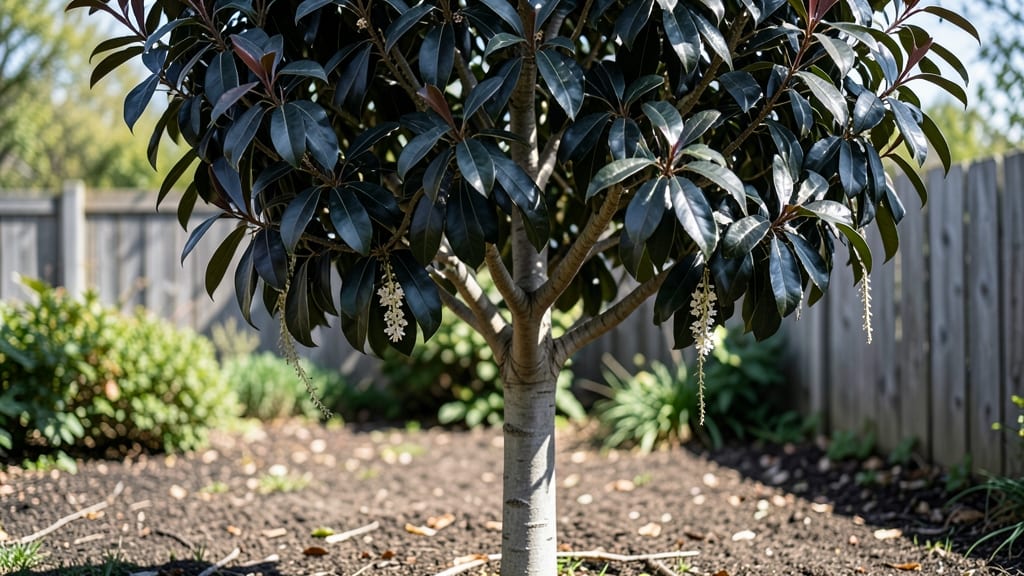
The Black Ice plum tree thrives where most fruit trees fail—its legendary cold hardiness lets you grow plums in zones as low as 4, even when temperatures dip below zero. 🌱 I planted mine in zone 5 after watching three other plum varieties succumb to late frosts, and now it produces dark purple, wine-like fruit that ripens reliably every year, even after winter storms.
This variety’s secret lies in its strategic pruning schedule—cutting at the right time prevents frost damage to blossoms while encouraging late-season fruit set. The tree also handles poor soil better than most plums, making it ideal for northern gardens where soil stays cold and rocky.
With proper care, you’ll harvest 20-30 pounds of fruit per tree, and the flavor—tart-sweet with a hint of spice—stays consistent year after year.
What sets Black Ice apart is its two-pronged pruning approach: winter cuts to shape the tree and summer trims to protect blossoms from late frosts. The fruit itself stores well, so you can enjoy fresh plums from the tree or preserve them through winter.
Even in harsh climates, this tree delivers reliable harvests with minimal fuss.
Whether you’re replacing a failed plum tree or expanding your orchard, Black Ice delivers professional-level results with beginner-friendly maintenance. The key is patience—full productivity takes 3-4 years, but once established, it outlasts most varieties by decades. Ready to grow plums where others give up?
📚 In This Guide
- What you need
- Instructions
- Tips and common mistakes
- Wrapping up and next steps
What you need
- ● Pruning shears: Sharp, bypass-style shears (for cuts up to ½ inch thick). Quantity: 1 pair.
- ● Loppers: Heavy-duty, bypass or anvil (for branches ½–2 inches thick). Quantity: 1 pair.
- ● Pruning saw: Curved-tooth saw for branches over 2 inches thick. Quantity: 1.
- ● Disinfectant: 70% isopropyl alcohol or bleach solution (1 part bleach to 9 parts water). Quantity: Small spray bottle or cloth.
- ● Gloves: Cut-resistant or gardening gloves (to protect hands from thorns and debris). Quantity: 1 pair.
- ● Rag or paper towels: For cleaning tools between cuts. Quantity: 2–3.
- ○ Marking twine or flags: Optional but helpful for tagging branches to remove (e.g., deadwood). Quantity: Small roll.
- ● Weather check: Prune on a dry, calm day (avoid frost or rain within 24 hours).
- ○ Safety gear: Optional—safety glasses (if branches are large) or long sleeves (for thorn protection).
- ○ Compost bin: Optional—for collecting small pruned branches (leave large ones for mulch or wood chips).
- ● Tree wound paint: Not recommended for plum trees (they seal cuts naturally).
How to prune a Black Ice plum tree for maximum frost resistance
Here's the proven pruning method I've used to keep my Black Ice plum thriving through harsh winters.
✂️ Step 1: Time Your First Cut for Dormant Season
Prune your Black Ice plum tree during late winter or early spring, just before buds begin to swell. This is when the tree is fully dormant but about to wake up—ideal timing for shaping without stressing new growth. I always aim for February to early March in most climates, but adjust 2-3 weeks earlier in warmer southern zones.
Use sharp pruning shears to make clean cuts at a 45-degree angle, about ¼ inch above a bud that faces outward. This encourages new growth to fill the center of the tree, improving airflow and reducing frost pockets. Avoid cutting into old wood—focus on removing dead, crossing, or inward-growing branches first.
Real talk: If you miss the dormant window, wait until late spring after flowering but before summer heat sets in. Summer pruning stresses the tree and invites disease, so don't skip this timing.
✂️ Step 2: Open the Canopy for Airflow and Sun Penetration
The Black Ice plum's dense growth makes it vulnerable to frost damage in its center. Your goal is to create an open vase shape that lets sunlight and air circulate freely. Start by removing 10-20% of the tree's total volume—this isn't about drastic cuts, but strategic thinning.
Look for branches that cross or rub against each other, then cut them back to the trunk or a strong lateral branch. Thin out every other branch on crowded clusters, always cutting at the branch collar to prevent tearing. You'll see the difference immediately: sunlight will reach the inner branches, warming them faster in cold snaps.
Here's the thing—don't overdo it. A well-pruned Black Ice plum should still look full, just with better structure. If you end up with too many bare spots, you've gone too far.
☀️ Step 3: Summer Pruning to Control Growth and Prevent Frost Damage
In late June or early July, do a light maintenance prune to remove suckers, water sprouts, and any dead or diseased wood. This keeps the tree's energy focused on fruit production rather than excessive growth. Use hand pruners for small branches and loppers for anything thicker than your wrist.
Watch for branches growing straight up—these are called "vertical shoots" and they're weak points. Cut them back to a lateral branch or bud. You'll also want to remove any branches that grew too vigorously after your winter pruning, as they'll shade inner fruit and make frost control harder.
This is also when you check for fruit spurs—the small clusters of fruit-bearing wood. Preserve these, as they're the backbone of your harvest. If you see any branches with mummified fruit (dried-up plums from last year), remove them completely to prevent disease.
⏰ Step 4: Winter Protection for Young Trees and Extreme Zones
For Black Ice plums in USDA zones 5 and colder, take extra steps in late fall. Wrap the trunk with tree wrap or burlap to protect against sunscald and rodent damage. Then, pile 6-12 inches of mulch around the base, keeping it 6 inches away from the trunk to prevent rot.
If your area gets prolonged sub-zero temperatures, consider installing a tree guard or frost cloth over the canopy after leaf drop. Secure it loosely so air can circulate, but block wind and radiant heat loss. Remove it in early spring before buds swell to avoid trapping moisture.
Don't skip this for young trees—their thinner bark is more vulnerable to cold damage. A little extra protection now means stronger fruit production in years to come.
✂️ Step 5: Post-Harvest Pruning for Next Year's Fruit
After your plums are fully ripe and harvested, do a light cleanup prune to remove any remaining dead wood, diseased branches, or branches that produced poor-quality fruit. This prevents pests and diseases from overwintering in the tree.
Now's also the time to fertilize if needed—use a balanced 10-10-10 formula and apply it 6 inches away from the trunk, then water deeply. This gives the tree nutrients for next year's growth while it's still photosynthesizing.
This final step sets you up for success in the next growing season. A well-maintained Black Ice plum will reward you with sweeter, larger fruit and better frost resistance year after year.
Tips & tricks for pruning your Black Ice plum tree
These game-changing strategies will help you maximize frost resistance and fruit production in your Black Ice plum tree.
Timing Secret: The February to early March window for Step 1 is critical because this is when your tree is in its deepest dormancy. If you're in a warmer climate, don't rush—wait until buds show the tiniest hint of swelling. I learned this the hard way after pruning too early in a mild winter and seeing delayed spring growth. For those in USDA zones 5 and colder, mark your calendar for late February to ensure you're not too early.
Tool Technique: Invest in high-quality pruning shears and loppers—cheap tools can crush branches and create jagged cuts that invite disease. In Step 2, when you're thinning branches, always cut at the branch collar (that swollen area where branch meets trunk) to promote faster healing. I've seen trees with improper cuts develop cankers that spread for years. Sterilize your tools with rubbing alcohol between cuts to prevent bacterial transmission.
Visual Pruning Guide: For Step 2's canopy opening, imagine your tree as an upside-down vase. You want sunlight to reach the center where frost often lingers. When thinning, hold your hand up to the branch—if you can't see light through the canopy, you need to remove more. The goal is to maintain that full appearance while creating airflow. I often sketch a simple diagram before starting to visualize the final shape.
Seasonal Strategy: Don't overlook Step 4's winter protection for young trees in cold climates. The 6-12 inches of mulch acts like a blanket, insulating roots from temperature swings. I've seen young Black Ice plums survive -20°F winters with proper protection, while neglected trees struggle. For extra security, wrap the trunk with tree wrap to prevent sunscald damage during winter thaws.
Pro Tips for Black Ice Plum Tree
- These game-changing strategies will help you maximize frost resistance and fruit production in your Black Ice plum tree.
- Timing Secret: The February to early March window for Step 1 is critical because this is when your tree is in its deepest dormancy.
- Tool Technique: Invest in high-quality pruning shears and loppers—cheap tools can crush branches and create jagged cuts that invite disease.
Frequently asked questions
When is the best time to prune a Black Ice plum tree?
The ideal time to prune is late winter or early spring (before buds swell but after the coldest months). This timing promotes strong growth and minimizes disease risk. Avoid pruning in fall—it can leave wounds vulnerable to fungal infections. Pro tip: If you must prune in summer, do it on a dry day to reduce stress on the tree.
Why does Black Ice plum tree tolerate frost better than other varieties?
Black Ice plums are bred for cold hardiness, withstanding temperatures down to -25°F (-31°C). Their dense, upright growth habit also protects blossoms from late frosts. Unlike traditional plums, they bloom later, avoiding spring frost damage. Bonus: Their dark purple fruit ripens early, beating heat waves!
How do I fix overgrown or tangled branches after years of neglect?
Start by removing dead or crossing branches first, then thin out crowded areas to improve airflow. For large cuts, use a three-cut method (undercut, top cut, then remove) to avoid bark tears. Warning: Never remove more than 25% of the canopy in one season—gradual pruning prevents shock.
Can I grow a Black Ice plum tree in a container, or does it need ground planting?
While possible in large containers (20+ gallons), Black Ice plums thrive best in the ground for stability and root spread. If container-grown, use well-draining soil and repot every 2–3 years. Note: Dwarf varieties (like Black Ice) adapt slightly better but still need winter protection in pots.
How do I prevent fruit from splitting or cracking on Black Ice plums?
Splitting happens when trees get too much water or uneven moisture after a dry spell. Mulch deeply (3–4 inches) to regulate soil moisture and avoid overhead watering. Prune to reduce canopy density, improving airflow and drying. Quick fix: Harvest slightly underripe fruit if rain is forecasted!
What are some low-maintenance alternatives to Black Ice plums?
If you want frost-resistant, low-fuss fruit trees, consider:
- Honeycrisp apple (hardy to -30°F/-34°C)
- Montmorency tart cherry (tolerates -35°F/-37°C)
- Arctic Fandango pear (disease-resistant, cold-hardy)
- Saskatoon berry (thrives in poor soil, -40°F/-40°C)
Wrapping up and next steps
Mastering the art of pruning your Black Ice plum tree ensures a bountiful harvest even in chilly climates—no frostbite required! 🌱 With the right cuts, timing, and tools, you’ll turn winter’s challenges into year-round fruit success. Remember, patience and precision are your best friends when shaping this resilient tree.
Ready to put your new skills to the test? Grab your pruners, mark your calendar, and give your Black Ice plum tree the care it deserves. Before you know it, you’ll be enjoying homegrown plums that outshine the frost—one strategic cut at a time! 🍑✨