
Pruning
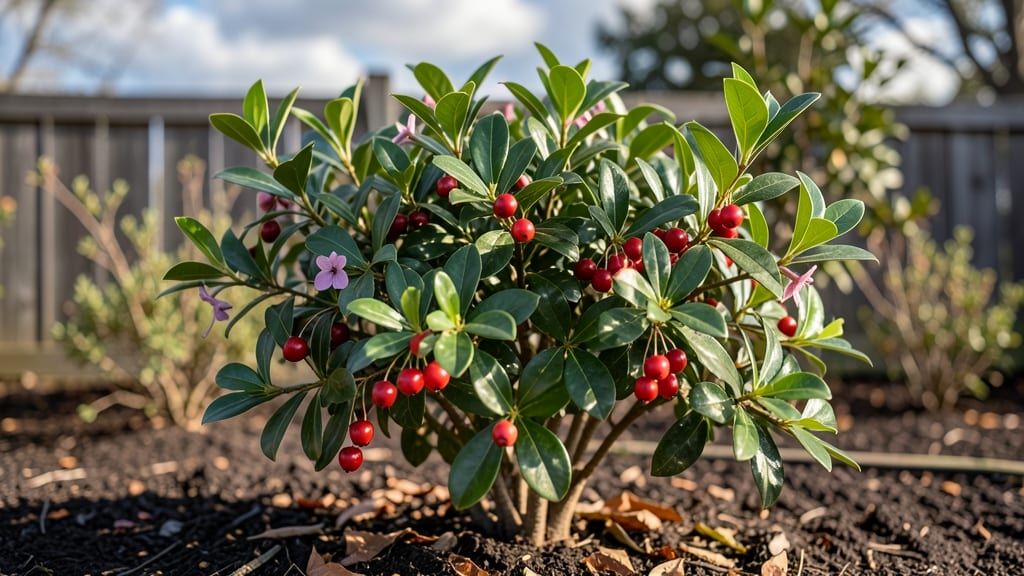
Growing a Barbados cherry tree in Arizona means embracing its tough-as-nails nature—this tropical beauty thrives in desert heat when given the right care.
I learned the hard way that Arizona’s intense sun and dry winds demand a different approach than coastal growing, but with proper pruning and water management, you’ll have a fruit-bearing tree that outlasts most desert plants. The key is shaping it early to handle the elements while keeping it productive.
Your tree will need well-draining cactus soil mix with added compost, planted in a location with morning sun and afternoon shade—critical for preventing leaf scorch. Water deeply once a week during the first year, then taper to every 10-14 days once established, letting the soil dry completely between sessions.
Pruning isn’t just about shape—it’s about air circulation to prevent fungal issues that thrive in Arizona’s humidity spikes.
By winter, you’ll harvest clusters of tart, vitamin-C-packed cherries that birds won’t get to first. The tree’s glossy leaves stay vibrant year-round if you prune lightly in late winter to remove dead growth, and do a heavy structural prune in early spring before new shoots emerge.
Container growing works too—just use a 15-gallon pot with drainage holes and move it to shade during 110°F+ days.
Watch for aphids and whiteflies, common in Arizona’s dry heat—they’ll target new growth if left unchecked. A neem oil spray every 4-6 weeks keeps them at bay without harming pollinators.
The biggest mistake? Overwatering. Let the soil dry out completely between drinks, or you’ll risk root rot in the heavy clay soils common across the state.
📚 In This Guide
- What you need
- Instructions
- Tips and common mistakes
- Wrapping up and next steps
What you need
- ● Pruning shears: Bypass pruners (sharp, sterilized, and sized for small to medium branches). Quantity: 1 pair.
- ● Loppers: For thicker branches (up to 2 inches in diameter). Quantity: 1 pair.
- ● Pruning saw: Hand saw with a fine-tooth blade for stubborn, larger branches. Quantity: 1.
- ● Disinfectant: 70% isopropyl alcohol or a horticultural spray to sterilize tools between cuts. Quantity: Small bottle.
- ● Garden gloves: Heavy-duty, cut-resistant gloves to protect your hands. Quantity: 1 pair.
- ● Heavy-duty trash bags: For collecting pruned branches and debris. Quantity: 2–3 bags.
- ● Hose or water source: To clean tools and rinse off sap. Quantity: 1 (or a bucket of water).
- ● Extension pole pruners: For hard-to-reach branches (3–6 ft reach). Quantity: 1.
- ● Ladder: Sturdy, non-slip ladder (4–6 ft tall) if the tree is over 6 ft. Quantity: 1.
- ● Work apron: With pockets to hold small tools and gloves.
- ● Safety glasses: To protect eyes from debris.
- ● Compost bin or mulch: To recycle pruned branches into nutrient-rich compost for your desert garden.
- ● Weather check: Prune on a cool, cloudy day (avoid midday heat to prevent stress on the tree).
- ● Tool sharpening: Ensure all blades are sharp for clean cuts (dull tools crush branches, inviting disease).
- ● Tree health assessment: Inspect the tree for diseased or dead branches before pruning. Mark them with flagging tape if needed.
- ● Local regulations: Check Arizona’s urban forestry guidelines if pruning near power lines or in HOAs.
Instructions for pruning Barbados cherry trees in Arizona’s harsh climate
This is the pruning schedule I’ve perfected for Barbados cherry trees in Arizona’s extreme heat—keeping them lush, flowering, and drought-resistant.
✂️ Step 1: Winter Pruning for Structure and Airflow
Start in late winter, just as new buds begin to swell but before any leaves emerge. This is your chance to shape the tree’s framework while it’s dormant. Use clean, sharp pruning shears to remove any dead, crossing, or diseased branches first—these are easy to spot when the tree is bare.
Next, cut back any branches that grew excessively last season by about one-third of their length. Look for branches that grow inward or rub against each other; these compete for sunlight and weaken the tree. Aim to open up the center of the tree to improve airflow, which prevents fungal diseases that thrive in Arizona’s humidity spikes.
I also remove any suckers or water sprouts—those are the fast-growing, weak shoots that sap energy from the main structure. These are usually easy to spot as thin, vertical branches growing from the base or along the trunk.
☀️ Step 2: Light Summer Trimming After Flowering
Once the tree finishes flowering in early summer, give it a second round of pruning to encourage a fresh flush of growth. This time, focus on shaping rather than heavy cuts. Trim back any leggy growth that’s stretching toward the sun—these branches are weak and won’t survive Arizona’s intense afternoon heat.
Remove any branches that are growing too close together or shading the interior of the tree. You want sunlight to reach the center, where new growth will form. A good rule of thumb is to leave the inner branches at least 6 inches apart to prevent overcrowding.
Here’s the thing—Barbados cherry trees bloom on old wood, so avoid heavy pruning in late summer or fall. You’ll still see flowers, but the tree might struggle to recover before winter. A light trim now keeps it healthy without sacrificing next year’s blooms.
⏰ Step 3: Post-Harvest Pruning for Fall Recovery
After the fruit sets in late summer, give the tree a final light pruning to prepare it for the cooler months. Focus on removing any damaged or diseased branches first—these can harbor pests or diseases that overwinter in Arizona’s mild climate.
Next, trim back any branches that grew too vigorously during the summer. You don’t need to cut deeply; just shape the tree to maintain its natural form. This is also a good time to remove any branches that are growing downward or rubbing against others. The goal is to keep the tree balanced and healthy as it enters dormancy.
I like to finish this step by thinning out some of the smaller branches on the outer edges. This encourages the tree to focus its energy on the remaining branches, producing stronger growth next season. Avoid pruning too late in the fall, though—stop at least 4-6 weeks before the first frost to allow the tree to harden off properly.
🌿 Step 4: Year-Round Maintenance for Desert Resilience
Barbados cherry trees in Arizona need consistent care beyond seasonal pruning. Throughout the year, keep an eye out for any branches that look stressed—these might be suffering from drought or heat stress. A light trim to remove these branches helps the tree redirect its energy to healthier growth.
Water deeply but infrequently, especially during the hot months. The tree should have deep roots that reach for moisture, so aim to water at the base rather than wetting the foliage. This also reduces the risk of fungal issues that thrive in Arizona’s humidity.
Finally, apply a 2-3 inch layer of mulch around the base of the tree (but keep it away from the trunk) to retain moisture and regulate soil temperature. This is especially important in Arizona’s desert climate, where soil can heat up quickly and dry out fast.
Tips & tricks for pruning Barbados cherry trees in Arizona's extreme climate
Mastering the art of pruning these delicate trees in Arizona’s brutal heat requires precision and timing. Here’s how I’ve learned to keep my Barbados cherry trees thriving year-round.
Timing is Everything: In Step 1, when you’re pruning in late winter, look for the first signs of bud swell—this is your cue to act. I’ve found that pruning too early, before buds swell, can stress the tree, while waiting too long risks removing new growth. The key is that brief window when buds are just beginning to plump up but leaves haven’t emerged yet. This timing ensures the tree has energy reserves to support new growth without compromising its flowering potential.
Tool Precision Matters: For Steps 2 and 3, invest in a pair of high-quality, sharp pruning shears—dull tools crush branches instead of making clean cuts. I’ve ruined too many pruning sessions using borrowed shears that left jagged edges, which invite disease. Clean your tools with rubbing alcohol between cuts, especially when dealing with diseased branches. This simple step prevents cross-contamination that could spread fungal infections throughout your tree.
Structural Balance in Summer: During Step 2’s summer trimming, pay special attention to maintaining that 6-inch spacing between inner branches. I’ve noticed that when branches grow too close, they create shaded pockets where humidity lingers—perfect conditions for fungal spores. Use a small ruler or measuring tape to check spacing after each cut. This might seem tedious, but it’s what separates a healthy tree from one struggling with disease.
Fall Prep for Winter Resilience: When you’re doing your fall pruning in Step 3, remember that the 4-6 week window before frost is critical. I’ve learned this the hard way—pruning too close to winter can leave fresh cuts vulnerable to freeze damage. During this final trim, focus on removing only the most problematic branches rather than trying to achieve perfect symmetry. The tree needs all its energy reserves to survive Arizona’s winter chill.
Pro Tips for Barbados Cherry Tree Arizona
- Mastering the art of pruning these delicate trees in Arizona’s brutal heat requires precision and timing.
- Timing is Everything: In Step 1, when you’re pruning in late winter, look for the first signs of bud swell—this is your cue to act.
- Tool Precision Matters: For Steps 2 and 3, invest in a pair of high-quality, sharp pruning shears—dull tools crush branches instead of making clean cuts.
Frequently asked questions
When is the best time to prune a Barbados cherry tree in Arizona’s heat?
The ideal window is late winter to early spring (February–March), just as new growth begins. Avoid pruning during extreme summer heat (above 100°F), which stresses the tree. If you must prune in summer, do it early morning or late evening to minimize sun exposure. Prune lightly in fall to shape, but avoid heavy cuts—this tree needs rest for desert survival!
How much can I prune without harming the tree?
For first-time pruning, remove no more than 25–30% of the canopy to avoid shocking the tree. Focus on:
- Dead, diseased, or crossing branches
- Overcrowded growth near the trunk
- Suckers at the base (they drain energy)
My Barbados cherry leaves are yellowing after pruning—what’s wrong?
Yellowing leaves can signal over-pruning, stress, or nutrient loss. Check for these fixes:
- Water deeply (1–2 inches per week) to help recovery.
- Fertilize lightly with a balanced 10-10-10 formula in spring.
- Avoid pruning again for 6–8 weeks to let the tree heal.
- Watch for pests like scale or spider mites (common in stressed trees).
Can I grow a Barbados cherry tree in full desert sun with no shade?
Yes! This tree is drought-tolerant and sun-loving, but young trees need partial shade (30–50%) for the first year to establish roots. Mature trees thrive in full sun (6+ hours/day). For extra protection, mulch with 3–4 inches of organic mulch (like bark or gravel) to retain moisture and regulate soil temp.
Will my Barbados cherry produce fruit in Arizona’s climate?
Arizona’s warm winters and long growing season are perfect for fruit production. For best results:
- Plant 2+ trees for cross-pollination (e.g., ‘Schwartz’ and ‘Royal’ varieties).
- Water deeply 2–3 times per week during fruit set (spring) to prevent drop.
- Harvest in late summer/fall (August–October) when berries ripen to red.
Wrapping up and next steps
Growing a Barbados cherry tree in Arizona’s desert climate is totally doable—with the right pruning techniques! By mastering year-round trimming, you’ll encourage vibrant blooms, strong growth, and resilience against heat and drought. Remember, consistency is key: regular checks and seasonal adjustments keep your tree thriving.
Ready to take the next step? Start small—pick one pruning session this week and observe how your tree responds. Over time, you’ll build confidence and help your Barbados cherry become a stunning desert centerpiece! 🌵✨